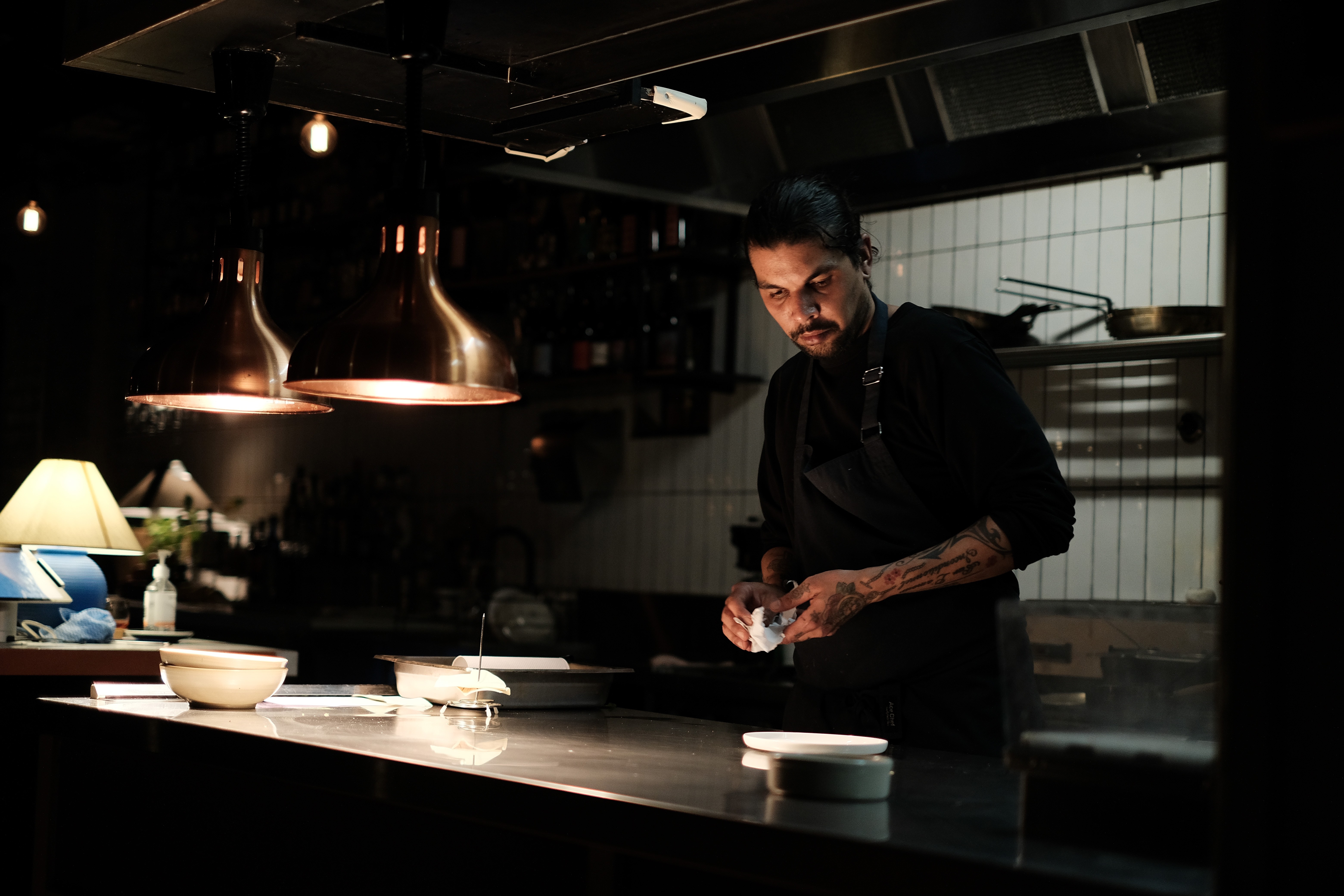
Tradition gives the dish its grammar.
Modern technique gives it control.
The venue gives it context.
Whatever I am cooking, I want to make the best version of it I can. Not the most complicated version. Not the cleverest version. The best version for that room, that guest, that team, that price point and that moment. That might mean respecting a traditional technique or stripping everything back until the dish finally says what it is meant to say. The goal is always the same. Make the food hit. Then build the structure around it so it can keep hitting.

01
Concept
Working out what the room is trying to be and how the food supports that.
Concept notes
Food direction
Identity framework
Reference documents
I build dishes from culture, memory, travel and technique. A dish might begin with a family table, a street snack, a regional method, a market, a late-night meal, a smell, a texture, or a nostalgic flavour that still has heat in it. The job is not to copy that memory flatly. The job is to understand why it worked, then translate it into the room in front of me. Tradition gives the dish its grammar. Modern technique gives it control. The venue gives it context.

02
Menu
Dishes built around identity, not trends. Costed, tested, repeatable.
Menu architecture
Dish development
Costings
Supplier sourcing
Tasting notes
I care about authenticity, but not as costume. In a modern restaurant, authenticity is not pretending nothing has changed. It is knowing what must not be lost when something changes. A dish should have one clear move before five clever ones. A menu should have rhythm. The best dishes do more than taste good. They add to the conversation. They give the guest something familiar enough to enter, but specific enough to remember.
03
Systems
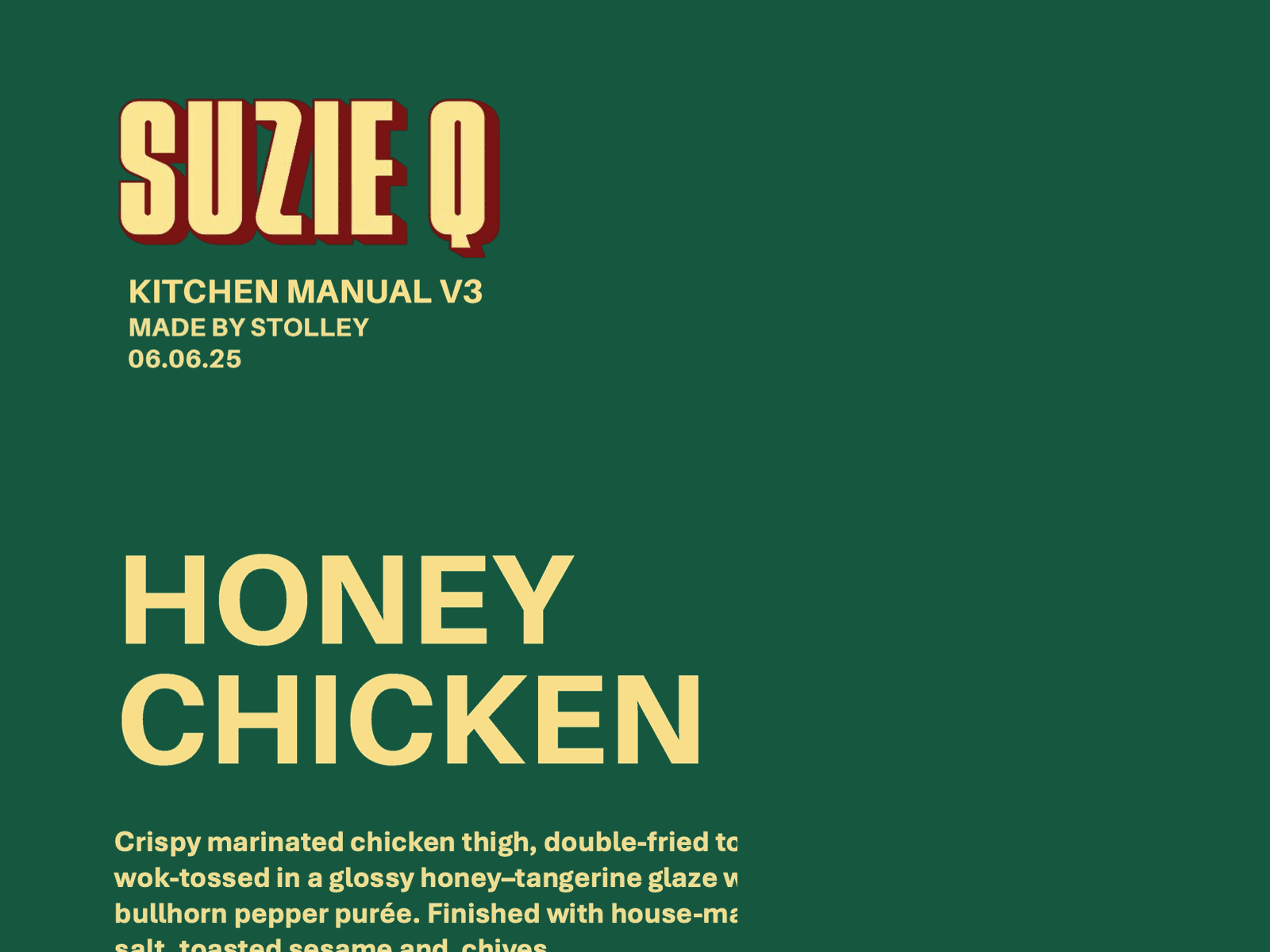
The part most kitchens skip. Prep structure, SOPs, training, station logic.
SOPs
Recipe sheets
Prep schedules
Station guides
Training documents
FOH notes
Systems are not the opposite of creativity. They are how the creativity survives. A good SOP protects the original idea. Good prep systems protect freshness, labour, consistency and cost. Good training protects the dish from becoming a bad copy of itself. A kitchen should be able to repeat the food without sanding all the life out of it.
04
Launch and Stabilisation
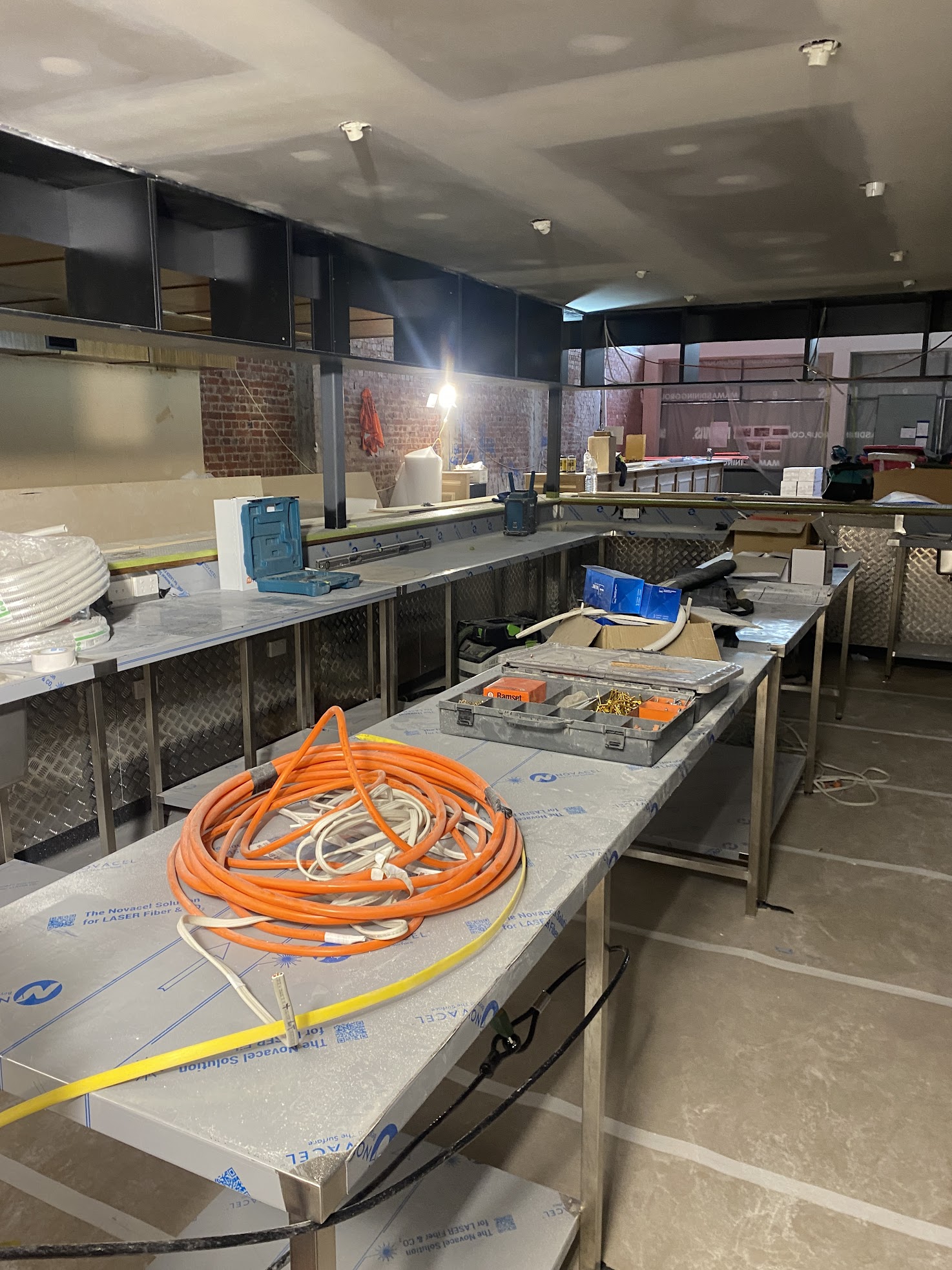
Opening through to steady state. I stay until the kitchen carries itself.
Launch support
Service observation
Stabilisation review
Handover documentation
Good launch structure protects the venue from burning through the food, the team and the budget before the concept has a chance to settle. Every venue says it wants a strong menu. What it usually needs is a kitchen that can carry the menu after launch. That means structure, mentoring, standards, ownership and a culture that does not collapse the second the opening team leaves.
Ways to work together.
Senior leadership, opening work or stabilisation.
Embedded leadership
Executive Chef or Culinary Creative Director responsibility inside a venue, group or hotel. Food direction, teams, cost control and standards held over time.
Launch project
Concept to opening for a new venue or relaunch. Menu, kitchen setup, prep systems, training and the first weeks of service.
Stabilisation project
For venues already open but losing rhythm. Menu architecture, costing, prep structures and training that make the kitchen hold under service.
Working with Peers
Senior chef support built in service, not conversation.
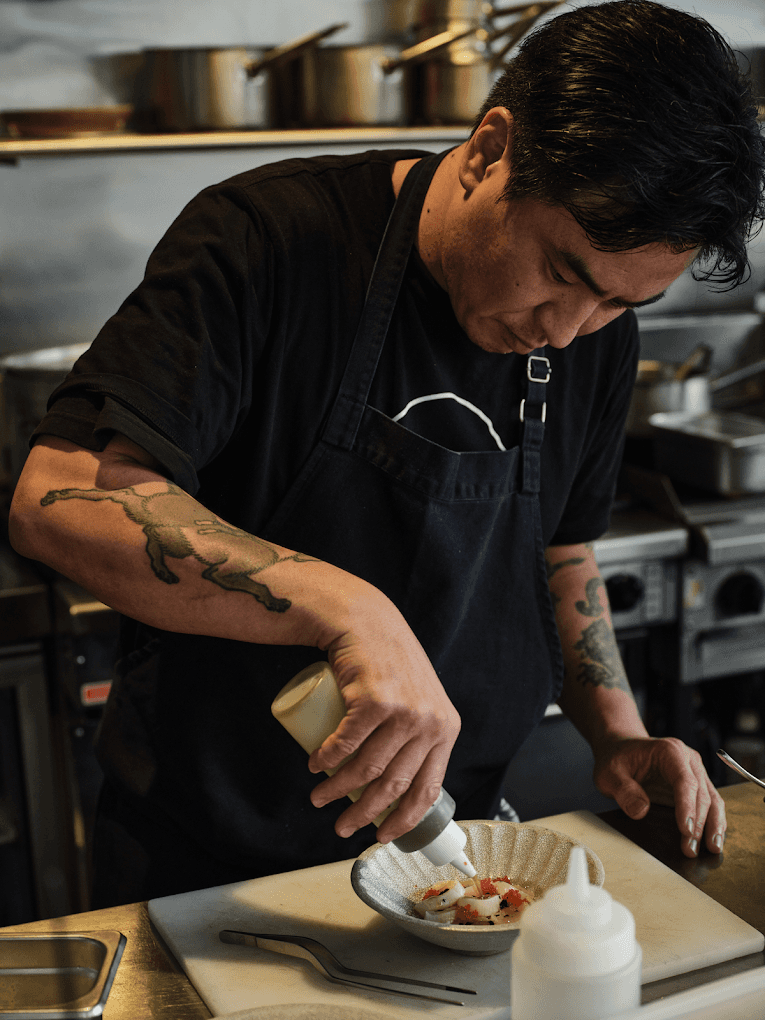
Atsushi Sakai
Future Future
Long-term chef support, pass, stations, MFWF cover
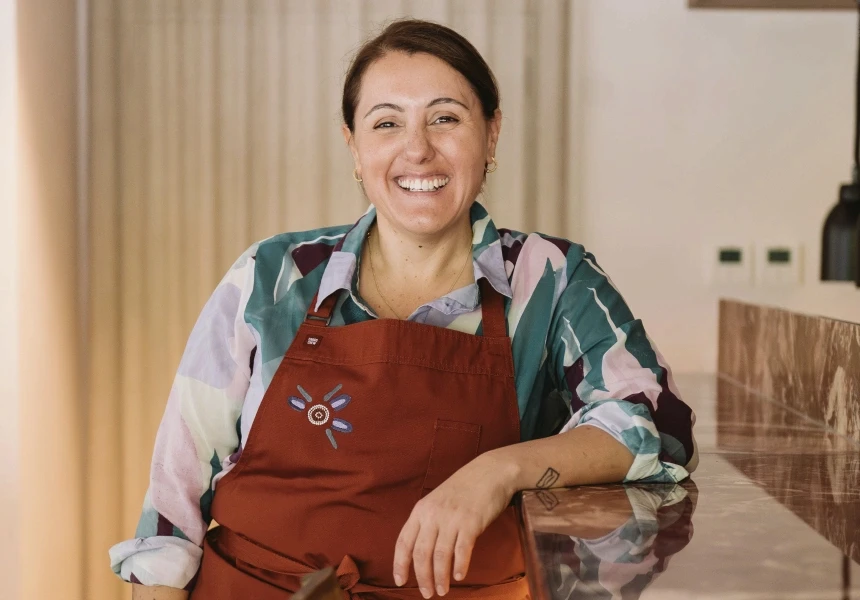
Diana Desensi
Bar Bambi, Daphne
Relaunch and post-opening stabilisation

Matt Woodhouse
Untitled
Post-opening systems and standards
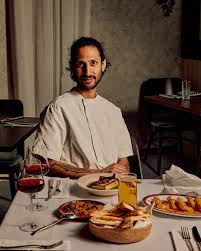
Mischa Tropp
Avani, Tucks, Toddy Shop
Residencies, launch support, solo service cover
Open to the right room.
Executive Chef and Culinary Creative Director roles across Melbourne and Asia-Pacific. Selective project work where the scope is clear.
Years of kitchen craft
20+
Mama’s venue launches
3 in 18 months
Weekly group revenue supported
$100-120K
Menu structures aligned to group COGS
~25%
Open to the right room.